We’re surprised to say this, but Google IO 2022 was downright frantic — Google was launching new software tools and products left, right, and middle, like a kid who had too much cola and got his hands on a nerf gun. Was.
If you paid attention, you probably caught up with all the big announcements: These include Android 13, Google Pixel Watch, Pixel Buds Pro, Pixel 6a and Pixel 7 and of course Google Glasses.
But there was actually more that Google threw at the event, and we don’t blame you if you missed some of them.
To tell you about some of the Google IO announcements you might have missed, we’ve written this guide for some of our favorites.
1. More Inclusive AI
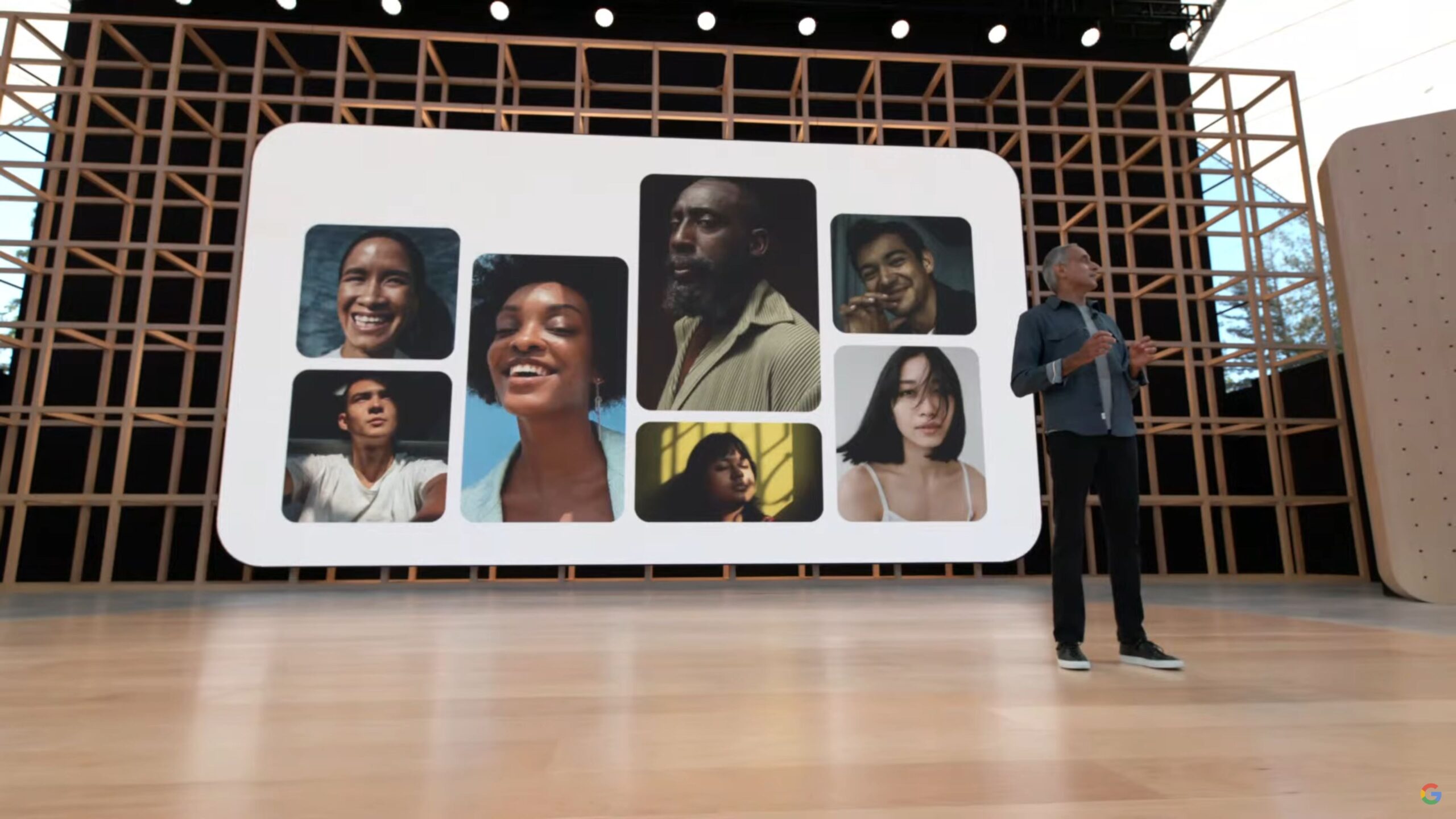
One of Google’s first announcements was that its skin tone research is helping create more inclusive AI.
It is doing this by creating an open-source development tool to help AI detect different skin tones more accurately, which is something AI is currently struggling with.
When developers start using this tool, it should be as useful for AI photo processing tools to accurately edit Snaps as it is for providing better-classed search results for search results ( instead of just a wall of white people).
(image credits: future)
2. Better Health Techniques
Announced not at the main conference, but just for developers, there’s something called Health Connect, which can be incredibly useful for fitness fans.
Basically, it’s a way for different different health apps (like diet, wearables, workout tracking, and peripheral ones) to share the same data—that means you don’t have to have a hundred to track your health. No need to jump between different apps.
This is good news for those who have too many health gadgets.
3. Better Tablet Software
We always complain about Android tablet software (because it’s not great) but Google has found a way to keep us quiet (and improve its tablet, too).
With Android 13, Google is vastly improving its tablet software. It’s redesigning the home page layout, its quick-settings swipe-down menu, and many of its native (and third-party) apps. Plus, multi-tasking is getting a lot more convenient.
This should make the Android tablet a real competitor to the iPad line, and we couldn’t be more excited.

(image credits: future)
4. A Google Tablet
On the subject of slates, this is something Google mentioned, but fast forward: the company is finally making its first new tablet in years.
The tablet will arrive in 2023, run on Android, and use the Tensor chipset. Basically that’s all we know so far. Of course it’s not much, but the slate is likely a year or more, so plenty for now.
5. Google Assistant wants to be casual
If you’re unable to treat your Google Assistant like a stupid robot or a misbehaving kid, there’s good news for you.
Soon, Google Assistant will be better able to take your casual cues for commands: instead of saying ‘Hey Google’ you can just look at the device and speak. It will also understand hedging in orders (like umms or errs) and knows that you are trying to look for ‘quantum of solace’, not ‘quantum of… uh… shoelaces? Um… Shortbread?’
Some people – this writer included – aren’t fans of giving voice commands to AI assistants, but maybe that will change our minds.

(image credits: google)
6. Magic Eraser? I barely knew ‘er!
Google Pixel 6 introduced us to Magic Eraser, a Google software tool that lets you clean up unwanted details in the background of pictures, with AI filling in the blanks. Well, it’s getting an upgrade.
The Magic Eraser demo showed a prominent image being rubbed in—but instead of leaving a lousy-AI-filled hole, it simply changed color to better match the scene.
It seems like Google’s tools are getting closer and closer to rivaling Photoshop every day, which will have us doubting everything we see in no time.
7. The World Is Your Store Shelf
Google Lens is already great at identifying objects in the real world and trying to sell them to you, but it’s getting a step smarter.
Previously, you could point Google Lens at a mug and it would identify it, and even offer to sell you one. But now you can point it at the said coffee-holder, and also say “Lost” and your phone will bring you to this coffee mug inspired by the TV show Lost. Google used the example of searching for water bottles, but with a rainbow on them.
Another example is clothing – you can scan someone’s top, but find it in another color. AI is getting smarter – and it’s very good at selling us things.