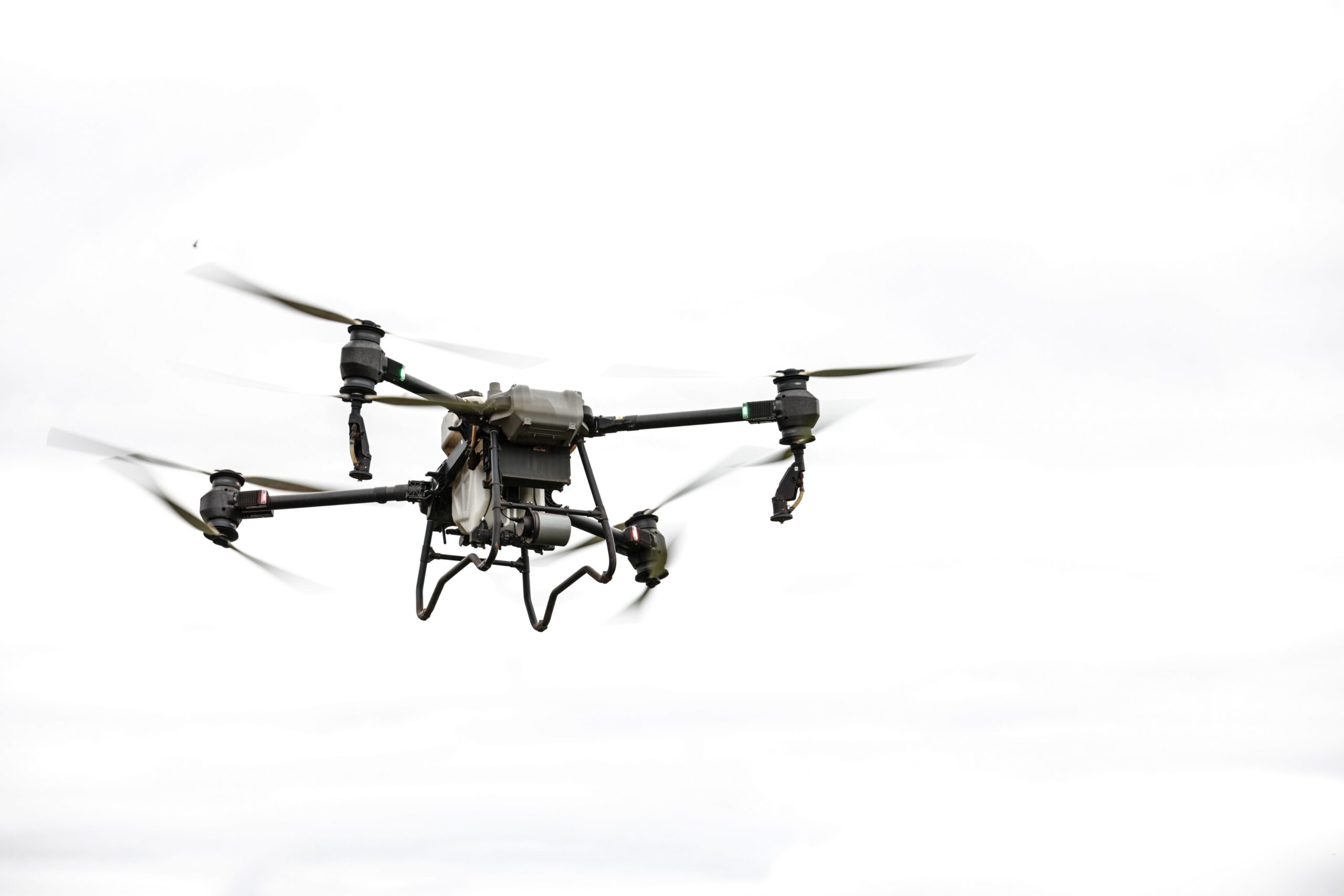
Introduction
Since the beginning of the Russia-Ukraine war, drones have played a vital role in reconnaissance, surveillance, and precision strikes. Ukraine successfully used drones to slow Russian advances and destroy military equipment during the early stages of the conflict.
However, as the war has evolved, Russia has significantly strengthened its electronic warfare capabilities and air defense systems, making it much harder for Ukrainian drones to operate effectively.
Why Were Ukrainian Drones So Effective Initially?
In the early months of the conflict, Ukrainian forces relied heavily on drones to:
- Gather real-time intelligence.
- Identify Russian troop movements.
- Destroy tanks and armored vehicles.
- Direct artillery with greater accuracy.
- Conduct surveillance without risking pilots.
These drones became one of Ukraine’s most valuable battlefield tools.
Russia’s Improved Electronic Warfare
Russia has invested heavily in electronic warfare (EW), which focuses on disrupting enemy communications and navigation systems.
Modern Russian EW systems can:
- Jam drone communication signals.
- Block GPS navigation.
- Interfere with video transmissions.
- Force drones to lose control or crash.
- Prevent drones from reaching their targets.
As a result, many Ukrainian drones now struggle to complete their missions successfully.
Stronger Air Defense Systems
In addition to electronic warfare, Russia has expanded its air defense network.
These systems are capable of:
- Detecting drones from long distances.
- Tracking multiple aerial targets simultaneously.
- Shooting down drones before they reach strategic locations.
- Protecting military bases and important infrastructure.
The combination of radar systems and missile defenses has reduced the effectiveness of many Ukrainian drone operations.
The Challenges Facing Ukraine
Ukraine now faces several difficulties when using drones:
- Increased signal jamming.
- Higher drone losses.
- More expensive replacement costs.
- Reduced success rates during attacks.
- Greater difficulty gathering battlefield intelligence.
Military analysts believe that adapting to Russia’s evolving defenses has become one of Ukraine’s biggest technological challenges.
How Ukraine Is Adapting
Despite these setbacks, Ukraine continues to innovate.
Some of the approaches being developed include:
- Using drones guided by fiber-optic cables that cannot be jammed easily.
- Developing AI-assisted autonomous drones.
- Producing cheaper drones in large numbers.
- Improving flight paths to avoid radar detection.
- Launching coordinated drone swarms to overwhelm air defenses.
These innovations aim to restore the effectiveness of drone operations on the battlefield.
The Future of Drone Warfare
Experts believe the conflict has transformed modern warfare.
Rather than relying only on tanks and aircraft, both sides are now engaged in a constant technological race involving:
- Electronic warfare.
- Artificial intelligence.
- Autonomous drone systems.
- Advanced radar technology.
- Cyber warfare.
- Air defense improvements.
Success increasingly depends on adapting faster than the opponent.