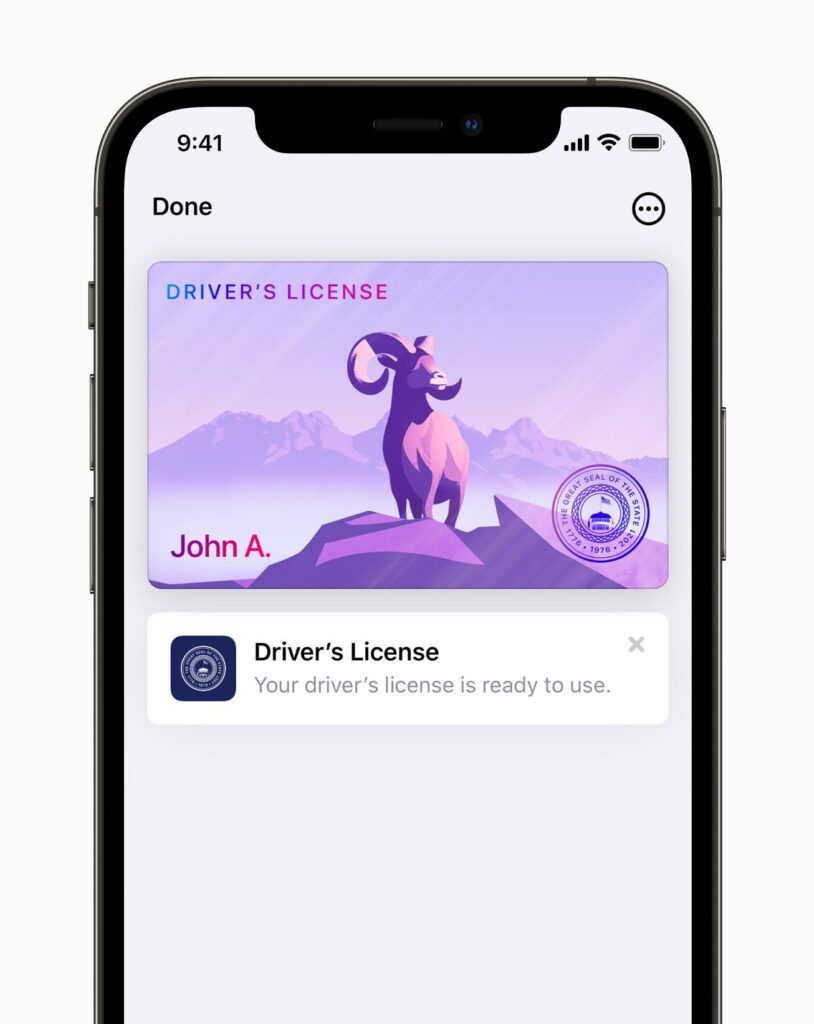
You may have heard of Apple Pay or seen other people using it, but what exactly is it and how does it work?
Apple Pay is a payment service exclusively available on Apple’s own products. It has two versions, one is a mobile payment system and the other is a web payment system.
The first of these is available on any Apple Watch starting with the iPhone 6 and up, as well as the Series 1, while the latter is available on Apple devices running iOS 10 or macOS Sierra or later.
Mobile payments let you insert a compatible debit or credit card onto your iPhone and then use the device as a contactless payment system thanks to NFC technology, while web payment systems are a quick and easy way to pay for goods and services online. .
How can I use Apple Pay?
Check out our full article on How to Use Apple Pay for step-by-step instructions on how to use this feature. The short version of how to use the mobile payment system on your iPhone is as follows:
- Open Apple Wallet and add the credit or debit card you want to use
- Use Apple Pay in stores by double-clicking the side button and holding the phone next to the contactless payment point
When using the web version, first register your card with Apple Pay, and then look for the black ‘Buy with Apple Pay’ button on the website or app you’re using. Press it, and then double-click the side button on your iPhone or Touch ID on your Mac to confirm the purchase.
When using Apple Pay on iPhone, there is a handy feature called Express Travel Card. This allows you to press your phone at a transport terminal, like the TFL network in London, and pay for your trip with ease. It works for a short time even after the iPhone’s battery is drained.
Is Apple Pay secure?
Apple claims that its system is not only simpler, but also a “safer, more secure and private payment method”. Barclaycard gives the following assessment:
Apple Pay is a very secure way to make payments. This is because your card numbers are not stored on your device, and are never shared by Apple Pay, or sent with your payment. Instead, Apple Pay gives you a unique device account number, which is encrypted and stored in a secure part of your iPhone, iPad, or Apple Watch. Therefore, when you use Apple Pay, your device account number and a specially created security code are used to process your payment.
To make your account as secure as possible, you are advised to choose a device password that no one can easily guess, and only register your biometric data on Touch ID or Face ID.
Are there alternatives to Apple Pay?
The most obvious alternative to Apple Pay is Google Pay, which works in much the same way as outlined above. Apple Pay is limited to Apple products only, while Google Pay is for Android phones. However this web function also works on Apple and other devices. Samsung also has Samsung Pay, which works on devices like the Samsung Galaxy S22 Ultra.