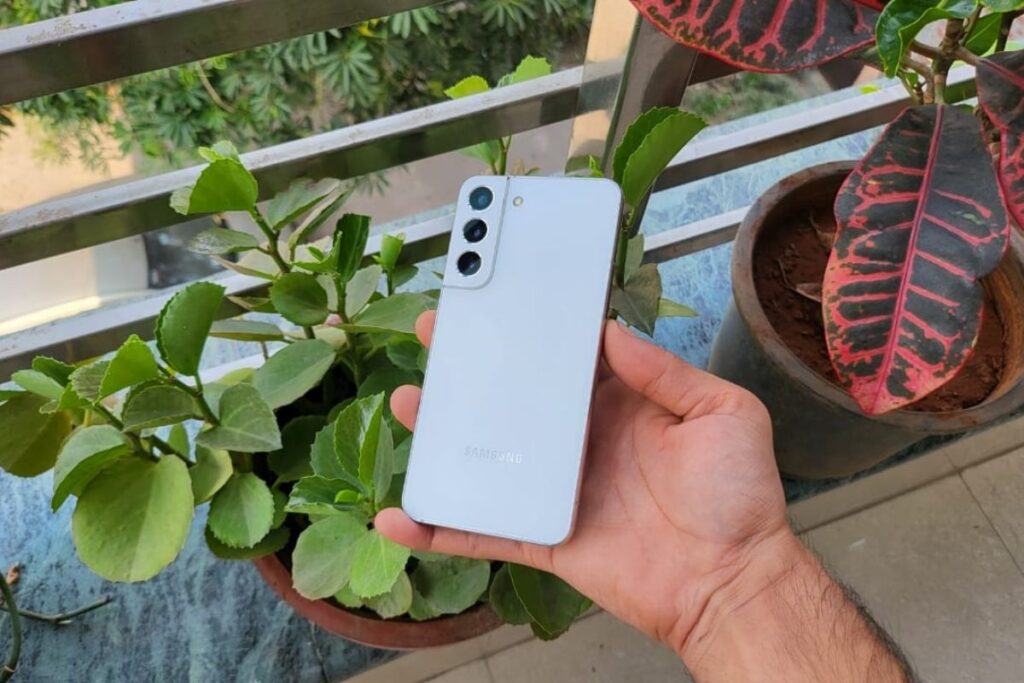
The Android battery optimization and process management is a mess. To save battery life, some mobiles close background apps very aggressively, which results in missing notifications, messages and similar situations.
Google has been trying to put some order in the matter for some time, with changes in Android 13, but it seems that it has finally surrendered to the evidence that it cannot do it alone. Now, Google asks for the collaboration of developers to create new tests that check that everything works properly on the new mobiles.
Google passes the ball to developers and OEMs
Before a phone receives the necessary certifications to be put up for sale with Google Services pre-installed, must pass a series of tests that verify that the terminal effectively complies with the Android Compatibility Definition document, or CDD. This collection of tests automate the process and is called CTS or Compatibility Test Suite.
Google is in charge of preparing this CTS which, they comment, today has about 2 million different tests, but has now announced that will allow developers to create their own tests so that they can verify those aspects that are affecting them the most. For example, battery management, one of the biggest frustrations for application developers, as it is not standard and varies from one mobile to another.
 The Don’t Kill My App app shows how aggressive your mobile is by closing processes
Developers who have an idea for a new test should suggest it in the Issue Tracker, as long as it’s a test that doesn’t already exist in CTS and is based on an element marked as required in the Android CDD document. For this first round, Google request collaboration in energy management test and it has already received some suggestions like this test from the creator of Don’t Kill My App, precisely focused on that, the unnecessary closing of applications in the background.
There is a problem, and that is these tests will be optional and the manufacturers will be able to decide if they want to pass them or not. The developers of the tests will also be able to run them on their own on their terminals, but in case of failure, Google asks the developers to open a task in the Android Bug Tracker and, after Google verifies it, Google “will work with its partners to solve it.”
Google “strongly recommends” that device manufacturers use the CTS-D developer tests, but it is inevitable to think that with this initiative they plan to pass the issue on to manufacturers and developers. The former, responsible for identifying problems and creating tests to locate them. The seconds, to solve them if they see it appropriate. We’ll see how it ends.
Via | Google